

Jalapeño Peppers: Heat, Flavor, and Fun Facts

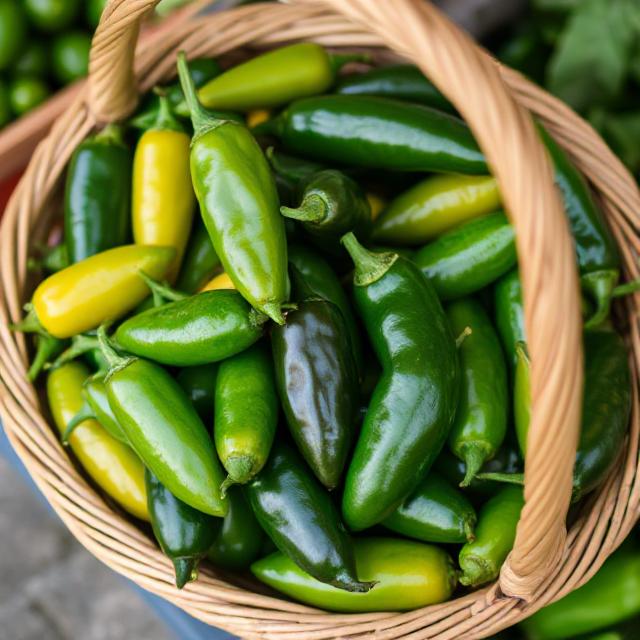
A basket full of jalapeno peppers
Looking to add a little kick to your cooking? Jalapeño peppers are the perfect way to spice things up! These small green powerhouses pack a moderate heat level, making them a favorite for everything from salsas to stuffed poppers.
 
Originating from Mexico, jalapeños are now loved around the world for their flavor and versatility. Don’t let their size fool you because each pepper scores between 2,500 to 8,000 Scoville Heat Units! But they’re not just hot, they’re healthy too, loaded with vitamin C and antioxidants.
 
Whether you enjoy them fresh, pickled, or grilled, jalapeños add bold personality to any dish. Just be careful when cutting them as those spicy oils can linger on your hands!

Table of Contents

Physical Characteristics

Jalapeño peppers are typically 2 to 4 inches long, with a smooth, firm skin and a slightly curved, cone-like shape. They start out bright green and can ripen to a deep red when left on the plant longer. Inside, they contain white pith and seeds, which hold most of the pepper’s heat.

Taste Profile

Jalapeño peppers have a bright, grassy flavor with a subtle sweetness and a crisp, juicy texture. Their heat is mild to moderate, offering a noticeable kick without overpowering the palate. When cooked, they develop a smoky, slightly sweet undertone, making them perfect for a wide range of savory dishes.

Nutritional Value

Jalapeños are low in calories but rich in essential nutrients, especially vitamin C, which supports immune health, and vitamin A, important for vision and skin with added benefits from fiber and antioxidants They also contain capsaicin, a natural compound linked to boosting metabolism and reducing inflammation.
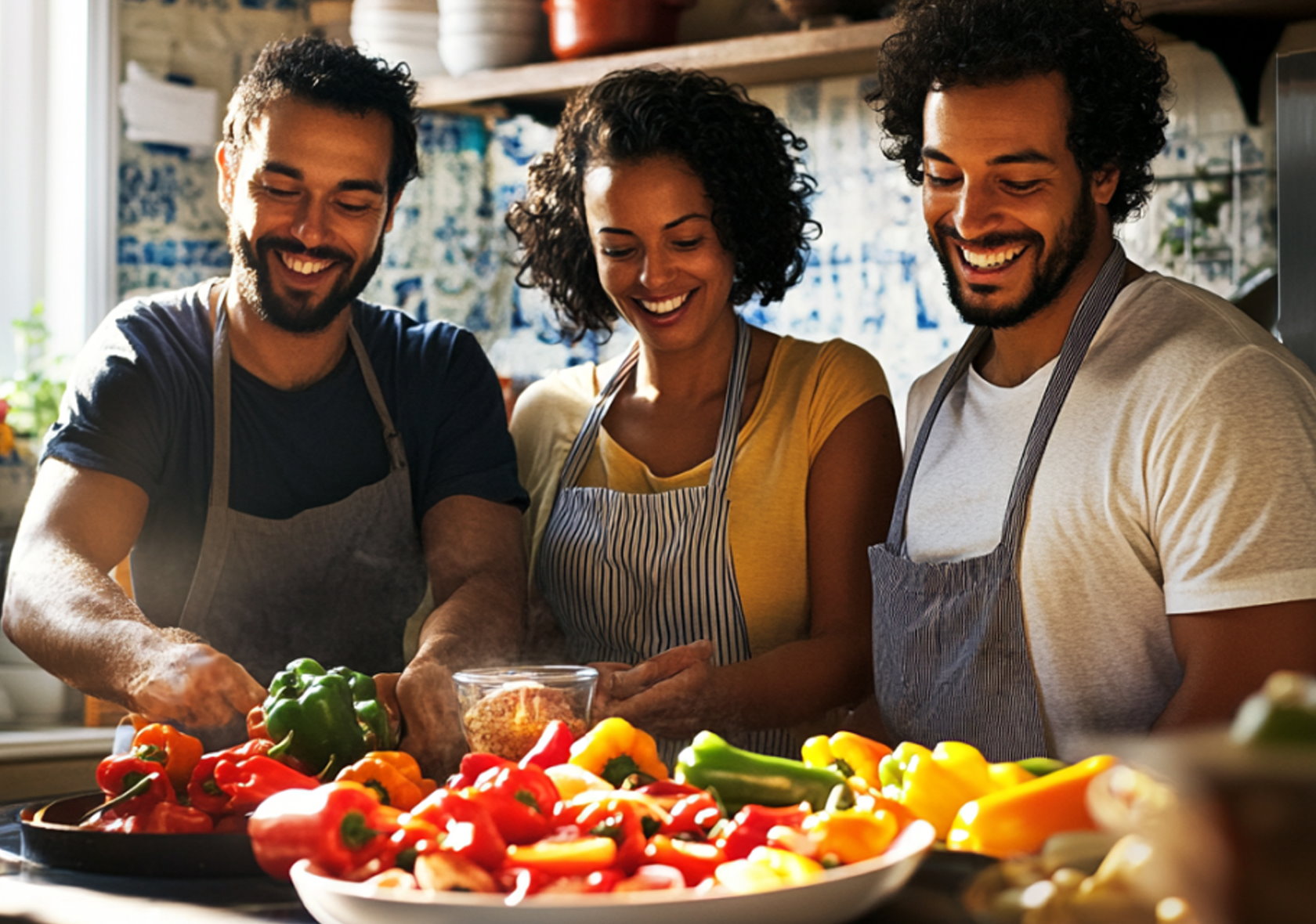
General information about Jalapeno Pepper

What are jalapeño peppers and where do they come from?

Jalapeño peppers are a popular variety of chili pepper known for their distinct green color, crisp texture, and moderate heat. They originate from Mexico, specifically the city of Xalapa (also spelled Jalapa), which is how they got their name. Today, jalapeños are grown in many parts of the world, especially in the United States, Mexico, and South America. They’re widely used in cooking because they add just the right amount of spice without overwhelming a dish. Whether fresh, pickled, or roasted, jalapeños are a versatile ingredient that brings both flavor and heat to the table.

Jalapeños typically rank between 2,500 and 8,000 Scoville Heat Units (SHU), which puts them in the mild to medium range on the chili pepper heat scale. For comparison, bell peppers sit at 0 SHU, while habaneros can hit over 100,000 SHU. The heat of a jalapeño can vary depending on how ripe it is (red jalapeños are usually hotter), how it was grown, and even the climate conditions. The heat mainly comes from the white membrane and seeds inside the pepper, so removing those can significantly reduce the spiciness. This makes jalapeños a great choice for people who want a bit of a kick without the burn.

Jalapeños stand out among chili peppers for their thick skin, medium heat level, and crisp bite. Compared to serrano peppers, jalapeños are slightly larger and less spicy, while bell peppers have no heat at all. Habaneros, on the other hand, are much smaller and significantly hotter—often over ten times as spicy. Jalapeños are also ideal for recipes that require stuffing or grilling because of their sturdy structure. Their mild heat and earthy flavor make them a favorite for everyday use, especially in dishes like nachos, tacos, burgers, and dips. If you’re looking for a chili pepper that delivers flavor without overwhelming heat, the jalapeño is a top choice.

Cooking with Jalapeños Peppers

Jalapeño peppers are a flavorful way to add mild to moderate heat to your cooking. Their bright, fresh taste makes them a popular choice in everything from salsas and tacos to stuffed appetizers and grilled dishes. Whether used raw, roasted, or pickled, jalapeños bring both spice and character to your meals.

They’re easy to work with and pair well with cheese, meats, citrus, and herbs. Removing the seeds and ribs can tone down the heat, making them more versatile for all kinds of palates. From simple snacks to bold entrées, jalapeños are a go-to ingredient for adding a little kick to your kitchen.

Whether used raw, roasted, or pickled, jalapeños bring both spice and character to your meals. They’re easy to work with and pair well with cheese, meats, citrus, and herbs. Removing the seeds and ribs can tone down the heat, making them more versatile for all kinds of palates. From simple snacks to bold entrées, jalapeños are a go-to ingredient for adding a little kick to your kitchen.

Cooking with jalapeño peppers adds a bold, flavorful kick to all kinds of dishes, from appetizers to entrees. Known for their vibrant green color and moderate heat, jalapeños are one of the most versatile chili peppers in the kitchen. Whether you’re slicing them raw for a spicy garnish or roasting them to bring out their natural sweetness, jalapeños can easily elevate the flavor of your favorite recipes.

One of the reasons jalapeños are so popular is their balance of flavor and heat. They’re spicy enough to add excitement but mild enough for most people to enjoy, especially when the seeds and ribs are removed. Jalapeños pair well with a wide range of ingredients — creamy cheeses, tangy citrus, smoky meats, and fresh herbs all complement their punchy profile. This makes them ideal for stuffing, pickling, grilling, or blending into sauces and salsas.

Beyond their heat, jalapeños bring a fresh, slightly grassy flavor that holds up well to different cooking methods. From classic Tex-Mex dishes to creative fusion recipes, these peppers can be sautéed, baked, or even candied, depending on your culinary goals. Whether you’re a spice lover or just exploring new ways to add flavor, cooking with jalapeños opens the door to a world of delicious possibilities.

How do you cook jalapeño peppers?

Jalapeños are not just spicy—they’re also nutrient-packed and offer a range of health benefits. They’re rich in vitamin C, which supports immune function, and vitamin A, important for vision and skin health. One of their key components is capsaicin, the compound that gives them heat. Capsaicin has been studied for its potential to boost metabolism, reduce inflammation, and even act as a natural pain reliever. Jalapeños also contain antioxidants that help fight free radicals in the body. Eating them in moderation as part of a balanced diet can contribute to better health while adding bold flavor to your meals.

Tips for Cooking with Jalapeños

🔪 Handling Tips

  • Use gloves when cutting jalapeños — the oils can irritate your skin and eyes.

  • Wash your hands thoroughly after handling, and avoid touching your face.

  • Remove the seeds and white membrane for a milder flavor — that’s where most of the heat lives.

🍳 Cooking Ideas & Techniques

  • Roast or blister them in a dry skillet or under the broiler for a smoky depth of flavor.

  • Dice them finely and mix into cornbread, scrambled eggs, or guacamole for a spicy twist.

  • Add to soups and stews for heat that builds slowly as it cooks.

  • Grill whole jalapeños alongside meats — charred skin and softened flesh make a great side.

🧑‍🍳 Flavor Pairing Tips

  • Pair with dairy: Cream cheese, sour cream, and cheddar mellow out the heat.

  • Citrus loves jalapeños: Lime juice brightens the flavor, especially in salsas or ceviche.

  • Honey + jalapeño = magic: The sweet-spicy combo is great on pizza, roasted veggies, or even cocktails.

Popular ways to cook jalapeños:

Popular ways to cook jalapeños:

  • Stuffed Jalapeños: Fill with cream cheese, wrap in bacon, and bake for the perfect appetizer.

  • Grilled or Roasted: Charring jalapeños enhances their smoky flavor — great for salsas or garnishes.

  • Pickled: Add tangy, spicy slices to sandwiches, nachos, or burgers.

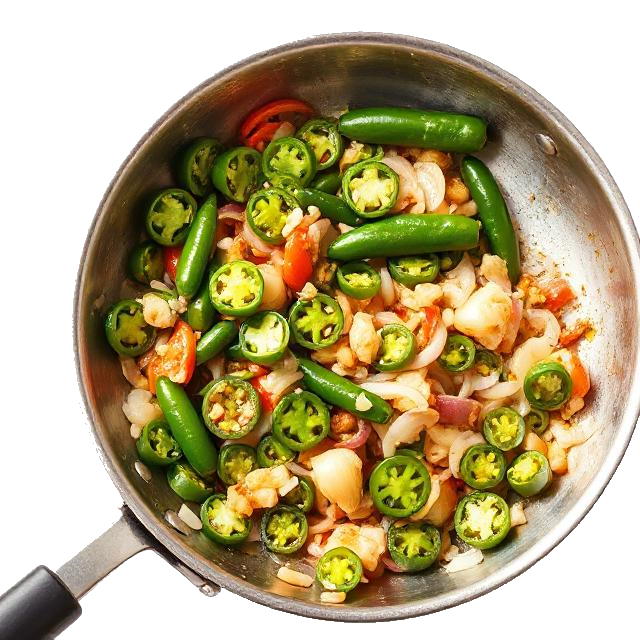
  • Sautéed: A quick sauté with onions and garlic gives any dish a bold, peppery kick.

  • Jalapeño-infused oils or sauces: Blend them into marinades, dressings, or hot sauces.

A sauté in a pan featuring Jalapeño peppers, include onions and garlic to give the dish a bold, peppery kick.

FAQ about cooking jalapeño peppers

What are the best substitute peppers to use when I don't have jalapeño peppers?

If you don’t have jalapeño peppers on hand, serrano peppers make the best substitute. They have a similar bright, fresh flavor but are slightly hotter — about two to three times spicier. Use them sparingly at first, especially if you’re sensitive to heat. They work well in salsas, stir-fries, and any dish where jalapeños would typically shine.

For a milder option, try Fresno, Anaheim, or poblano peppers. Fresno peppers are quite close in heat and taste, while Anaheim and poblano are much milder, with a sweeter, earthy flavor. These are ideal for stuffing, roasting, or incorporating into cooked dishes where you want pepper flavor without too much spice.

If you don’t have any fresh peppers at all, you can use crushed red pepper flakes or cayenne powder in small amounts to add heat. They won’t give the same fresh, crunchy texture, but they’re great for seasoning soups, sauces, or marinades. For a tangy, pickled flavor in sandwiches or salads, banana peppers or pepperoncini also make good stand-ins.

The best way to cook stuffed jalapeño peppers is to bake them in the oven at 375°F (190°C) for 20–25 minutes until the peppers are tender and the filling is bubbly and golden. Slice the peppers in half lengthwise, remove the seeds, and stuff them with a mix of cream cheese, shredded cheese, and your favorite add-ins like bacon or herbs. For extra crispiness, top with breadcrumbs or wrap in bacon before baking.

Jalapeño peppers are most commonly used in Mexican and Tex-Mex cuisines, where they appear in salsas, tacos, nachos, and marinades. They’re also popular in American cuisine, especially in bar food like jalapeño poppers, burgers, and spicy dips. Additionally, jalapeños are featured in Southwestern and Latin American dishes, and have found their way into fusion cuisine, including Asian-inspired sauces, pickles, and street food creations.

To reduce the heat, start by removing the seeds and white inner ribs — that’s where most of the capsaicin (the compound responsible for spiciness) is concentrated. You can also soak sliced jalapeños in lemon or lime juice, or a light vinegar brine, for 15–30 minutes to tone down the heat further.

Cooking methods like roasting, grilling, or sautéing also mellow their spiciness. Pairing them with dairy (like cream cheese or sour cream) can help balance the heat in recipes.

Yes, wearing gloves is strongly recommended, especially when cutting a large number of peppers. The oils from jalapeños can linger on your skin and easily transfer to your eyes, nose, or mouth, causing a painful burning sensation.

If you don’t have gloves, wash your hands immediately with soap and warm water, and consider scrubbing under your nails or using a stainless steel soap bar to help neutralize the oils.

Yes, you can cook jalapeños with the seeds in if you want to keep their full heat and bold flavor. Many people prefer leaving the seeds in for dishes like chili, stir-fries, or spicy salsas.

However, for milder results or stuffed jalapeños, removing the seeds and ribs will give a more balanced flavor without overwhelming heat. It all comes down to your heat tolerance and the dish you’re making.

Cream cheese is the classic base for stuffed jalapeños — it’s smooth, rich, and balances the heat perfectly. You can also blend it with shredded cheeses like cheddar, Monterey Jack, or pepper jack for extra flavor and meltiness.

Add-ins like garlic, bacon bits, or chopped green onions can elevate the filling. For grilling or baking, cheeses that melt well and have a mild sharpness work best.

Yes, jalapeños freeze very well. Simply wash, dry, and slice or dice them before placing in a freezer-safe bag or container. You can also freeze them whole, but slicing first makes them easier to use later.

Frozen jalapeños lose some of their crunch but retain their flavor and heat, making them great for cooked dishes like soups, stews, and stir-fries. No need to thaw — just toss them straight into the pan!

Health Benefits Section

What are the health benefits of eating jalapeños?

Jalapeños are not just spicy—they’re also nutrient-packed and offer a range of health benefits. They’re rich in vitamin C, which supports immune function, and vitamin A, important for vision and skin health. One of their key components is capsaicin, the compound that gives them heat. Capsaicin has been studied for its potential to boost metabolism, reduce inflammation, and even act as a natural pain reliever. Jalapeños also contain antioxidants that help fight free radicals in the body. Eating them in moderation as part of a balanced diet can contribute to better health while adding bold flavor to your meals.

One raw jalapeño has:
Calories: 4
Fat: 0 grams
Carbohydrates: 1 gram
Protein: 0.1 gram
Fiber: 0.4 gram

Are Jalapeño Peppers Good For You?

Toxicity and Side Effects Of Jalapeño Peppers.


  • 6 Health Benefits Of a Jalapeño Pepper
    Jalapeño peppers may boost our metabolism
    Jalapeños are rich in vitamins A and C and potassium .
    Jalapeños have carotene — an antioxidant that may help fight damage to your cells – as well as folate, vitamin K , and B vitamins
    Jalapeño peppers may help in pain relief
    Jalapeño peppers may help fight infection and bacteria
    Jalapeño peppers may help keep our heart healthy


Longer Life
Pain Relief
Weight Loss and Blood Sugar Control
Safety Warnings

Growing Section

Growing Jalapeño Peppers

Jalapeño peppers thrive in warm, sunny climates and require well-drained soil with consistent moisture. They can be started indoors from seeds and transplanted outdoors once the danger of frost has passed, usually growing to about 2–3 feet tall. With proper care, jalapeño plants begin producing peppers in about 70–85 days, making them a rewarding choice for home gardeners.

What Are The Different Types Of Jalapeño Peppers?

Poppee's Recipes

Best Jalapeño Pepper Recipes

Candied Jalapenos (Cowboy Candy)
Jalapeno Jelly
Bacon Wrapped Jalapeno Poppers
Baked Cream Cheese Jalapeno Poppers
Grilled Jalapeno Poppers
Jalapeno Bottle Caps (Breaded and Fried Jalapeno Peppers)
Creamy Jalapeno Sauce
Jalapeno Cheddar Chicken Wings
Kiwi Jalapeno Jam
Ancho-Jalapeno Hot Sauce
Pickled Jalapeno Peppers
Taqueria-Style Pickled Jalapenos and Carrots


Pickled Jalapeños
Creamy Jalapeño Sauce
Jalapeño Poppers

Sign up to our Poppee's Newsletter
Get the latest offers and updates